
Ultrasound Imaging Services | Bellingham, WA

How Ultrasound Works | How Ultrasound is Used | What to Expect | After Your Ultrasound

You may think ultrasounds are just for pregnant women. While fetal, abdominal ultrasounds are a routine medical imaging exam that allows doctors to check on babies’ health before they are born, ultrasound is also used for many other reasons. Ultrasound uses sound waves to create images of your organs, blood vessels, and other structures inside your body.

When you choose Bellingham Advanced Medical Imaging as your ultrasound imaging center, you can rest easy knowing a radiologist will evaluate your ultrasound results with specialty training directly related to your exam. Your ultrasound will help you and your doctor get answers about what is going on inside you to make a treatment plan.
ultrasound

How ultrasound works

Ultrasound uses a small tool called a transducer to send high-frequency sound waves into an area of your body. The transducer also receives the sound waves as they bounce back. The ultrasound imaging machine interprets those sound wave echoes to create an image of your internal organs and tissues.

Ultrasound transducers come in different shapes depending on which part of your body needs to be imaged. Most are just small rectangles.

Some transducers provide Doppler ultrasound. This type of ultrasound measures the ultrasound waves’ pitch, which allows us to check how blood is flowing in your veins and arteries. Doppler ultrasound can also check your baby’s blood flow during your pregnancy.

How ultrasound is used

Ultrasound is an easy way to take a look at your organs and internal tissues. The sound waves of ultrasound respond differently to fluid than to tissue. This means ultrasound can create a different image than other kinds of medical images.

Using ultrasound, your sonographer can measure the size of your internal organs. Many imaging options exist, such as a thyroid ultrasound or liver ultrasound. We can also get a peek at your kidneys and ovaries. This gives us a great look for such common occurrences like kidney or gallbladder stones. Ultrasound can even measure the walls of your heart.

Because ultrasound isn’t good at “seeing” air or bone, it’s sometimes used together with X-ray or other medical images to give you and your health care provider a more complete look inside your body.

Most pregnant women have one or more ultrasounds during pregnancy to evaluate a growing baby.

A fetal ultrasound gives you and your doctor a chance to check on how your baby is growing and developing.

What to expect during your ultrasound

For most ultrasounds, you won’t have to change into a gown. If you need to change, we’ll supply the gown for you. It’s best if you leave your valuables at home.

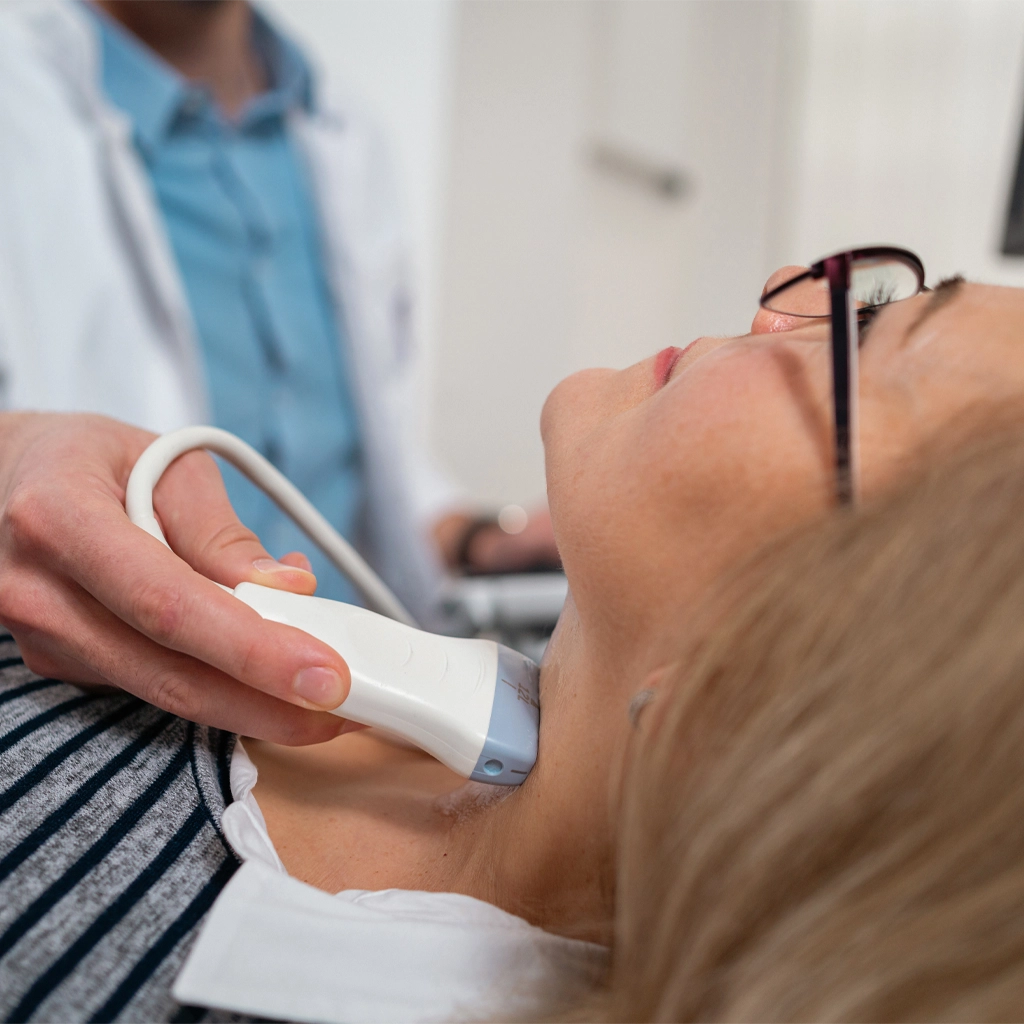
During the ultrasound, you’ll lie down on an exam table. Your diagnostic medical sonographer, who is specialty-trained in ultrasound, will put a special water-based gel on your skin so the sound waves move into your body smoothly. Then they’ll move the ultrasound transducer — usually about the size and shape of a TV remote — across your skin in the area being imaged.

The sonographer will make notes in a computer as they take measurements of different organs. This doesn’t mean they found something worrisome.

If you’re having an ultrasound of your baby during pregnancy, your technologist will be able to point out different parts of your baby. You may even see your baby moving around. Some babies are even sucking their thumbs during their “photo shoot.”

After your ultrasound

After your ultrasound is complete, your medical images will be carefully reviewed by a Bellingham Advanced Medical Imaging radiologist — a doctor specialty-trained in how to interpret medical images including ultrasounds.

In some cases, your radiologist will speak to you after your exam. Most often, your radiologist will generate a report for your primary care doctor or other referring provider.

That way, your regular doctor can discuss any findings in detail with you and make a plan to follow up or treat anything discovered during your ultrasound.

Please contact our Ultrasound team at (360) 255-6330 with any questions or concerns.